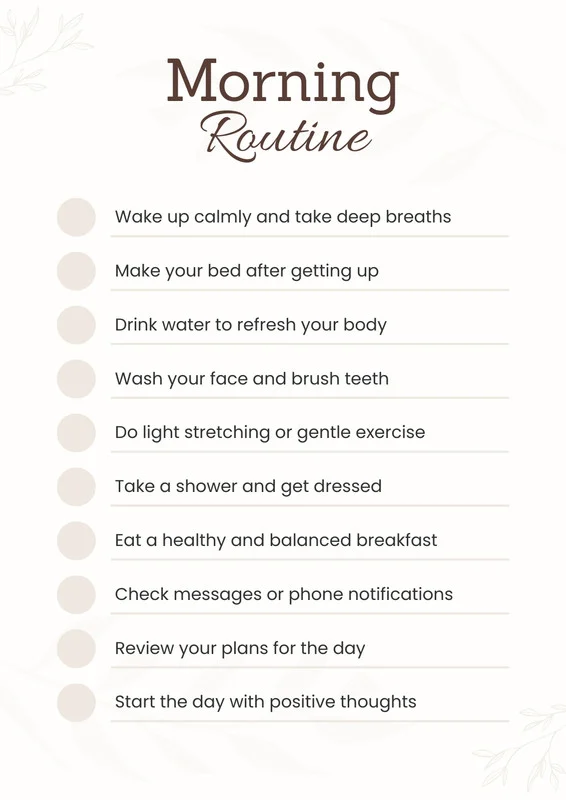
Starting your morning does not have to mean following a complicated schedule filled with dozens of habits. The best minimalist morning routine ideas focus on simple actions that help you feel organized, calm, and ready for the day. Instead of trying to complete a long checklist, a minimalist routine removes unnecessary steps and keeps only the habits that genuinely add value.
Whether you have 15 minutes or an entire hour, you can create a morning routine that fits your lifestyle. The key is consistency, simplicity, and choosing activities that support your goals.
What Is a Minimalist Morning Routine?
A minimalist morning routine is a simple start to the day that includes only the most useful habits. Rather than copying an influencer’s complicated routine, you choose a few activities that work for your schedule and priorities.
A minimalist routine may include drinking water, getting natural light, stretching, getting ready, eating breakfast, and planning your main task for the day. You do not need to do everything every morning.
The purpose is to reduce decision-making and avoid unnecessary distractions. A simple routine can make your morning feel more manageable and intentional.
Why Try Minimalist Morning Routine Ideas?
There are several reasons people choose a minimalist approach to their mornings. A complicated routine can become difficult to maintain, especially when you are busy. Simple habits are easier to repeat consistently.
One benefit is that you can start your day with fewer distractions. Instead of immediately checking social media, emails, and notifications, you can give yourself a few quiet minutes before becoming connected to the outside world.
Another benefit is flexibility. Your routine can be adjusted depending on your schedule. On a busy day, you might follow a 10-minute version. On a relaxed weekend, you can spend more time reading, exercising, or preparing breakfast.
1. Avoid Your Phone for the First Few Minutes
One of the easiest minimalist morning routine ideas is to delay checking your phone after waking up.
Your phone can immediately expose you to messages, social media, news, and other distractions. Giving yourself some screen-free time can make your morning feel less rushed.
You do not necessarily need to avoid your phone for hours. Start with 15 or 30 minutes and adjust according to your lifestyle.
Use this time to get out of bed, drink water, open your curtains, or simply prepare for the day.
2. Drink a Glass of Water
Drinking water after waking up is another simple habit that can fit almost any routine.
Keep a glass or bottle of water somewhere convenient so you do not have to think about it in the morning. It is a small action, but it can become an easy reminder to begin your day with a basic healthy habit.
There is no need to turn hydration into a complicated ritual. Plain water is enough for a simple morning routine.
3. Get Some Natural Morning Light
Getting natural light in the morning can be an easy way to make your morning feel more active and refreshing.
Open your curtains or blinds after waking up. If possible, step outside for a short walk or spend a few minutes near a bright outdoor environment.
This habit requires almost no equipment and can easily become part of your existing morning routine.
If you work or study from home, opening the curtains can also make your environment feel brighter and more comfortable.
4. Make Your Bed
Making your bed takes only a few minutes and can give your morning a clear starting point.
The goal is not perfection. Simply straighten your sheets, arrange your pillow, and leave the bed ready for later.
For people who prefer minimalist habits, this is useful because it requires little time and does not add complexity to the routine.
Once your bed is made, move directly to your next important activity instead of returning to it.
5. Do Five to Ten Minutes of Movement
You do not need a complete workout every morning.
Five to ten minutes of stretching, walking, mobility exercises, or light bodyweight movements can be enough to get your body moving.
Choose something you actually enjoy. A short routine that you consistently follow is more practical than an intense routine that you abandon after a few days.
On busy mornings, even a few minutes of movement can fit into your schedule.
6. Get Ready Without Rushing
A minimalist morning routine should make your morning easier, not more stressful.
Prepare your clothes, toiletries, and other essentials in advance when possible. This reduces the number of decisions you need to make after waking up.
Keep your morning essentials organized in one place. When everything has a designated location, getting ready becomes faster and simpler.
You can also prepare your outfit the night before if mornings are usually hectic.
7. Eat a Simple Breakfast
Breakfast does not need to be complicated.
Choose a few easy foods that fit your preferences and schedule. For example, you might have eggs, fruit, yogurt, oats, toast, or another simple option.
If you prefer a larger breakfast, take the time you need. If you are not hungry immediately after waking, you can organize your morning around your own eating schedule.
The minimalist approach is about reducing unnecessary complexity rather than following a specific breakfast rule.
8. Spend a Few Minutes Reading or Journaling
A few quiet minutes can help you transition from sleep to your daily responsibilities.
You could read a few pages of a book, write down your thoughts, journal, pray, meditate, or simply sit quietly.
You do not need to spend 30 or 60 minutes doing this. Even five minutes can become a meaningful part of your morning.
Choose one activity instead of trying to combine several habits at once.
9. Choose Your Main Priority
One of the most useful minimalist morning routine ideas is deciding what matters most that day.
Instead of creating an enormous to-do list, identify one important task. Ask yourself:
“If I complete only one important thing today, what should it be?”
This question can help you focus your attention.
You can still have other responsibilities, but identifying one main priority gives your day a clear direction.
For students, this might be completing an assignment. For professionals, it could be finishing an important project. For personal goals, it could be exercise, learning, or another meaningful task.
10. Keep Your Routine Short
A minimalist routine does not need to last an hour.
If you have a busy schedule, create a short version that takes between 10 and 20 minutes. The routine could include water, natural light, quick movement, getting ready, and identifying your main priority.
On days when you have more time, you can add reading, journaling, exercise, or breakfast.
Creating a short version makes the routine easier to maintain when life becomes busy.
A 15-Minute Minimalist Morning Routine
If you want something extremely simple, try this 15-minute structure:
Minute 1–2: Get out of bed and drink water.
Minute 3–5: Open the curtains and get natural light.
Minute 6–9: Stretch or walk around.
Minute 10–12: Make your bed and get ready.
Minute 13–15: Choose your most important task.
This routine does not require special equipment, expensive products, or complicated planning.
A 30-Minute Minimalist Morning Routine
If you have more time, try a 30-minute version:
- Drink water after waking up.
- Get natural light.
- Make your bed.
- Spend 5–10 minutes stretching or walking.
- Get dressed and prepare for the day.
- Eat a simple breakfast.
- Spend a few minutes reading, journaling, or praying.
- Choose your main priority.
The exact order does not matter as much as creating a routine that fits your lifestyle.
How to Build Your Own Minimalist Morning Routine
Start by choosing only three habits.
For example:
- Drink water.
- Move for five minutes.
- Choose one daily priority.
Follow these habits consistently before adding anything else.
After your basic routine becomes automatic, you can add another activity if it genuinely improves your morning.
Avoid adding habits simply because they are popular online. Your routine should serve your life, not create another source of pressure.
Common Mistakes to Avoid
One common mistake is trying to change everything at once. Adding ten new habits overnight can make the routine difficult to maintain.
Another mistake is creating a routine that does not match your schedule. If you have to leave home at 7:00 a.m., a two-hour routine may not be realistic.
Avoid comparing your morning with someone else’s. Different people have different jobs, responsibilities, sleep schedules, and priorities.
Finally, remember that missing one morning does not mean your routine has failed. Simply continue the next day.
Minimalist Morning Routine Ideas for Busy People
Busy people can benefit from keeping their routine extremely simple.
A five-minute routine could include drinking water, opening the curtains, making the bed, and choosing one priority.
A 10-minute routine could add light stretching and getting ready.
A 20-minute routine could include breakfast or a short walk.
The best routine is one you can realistically repeat. There is no requirement to follow a long morning schedule.
Final Thoughts
The best minimalist morning routine ideas are simple, flexible, and realistic. You do not need dozens of habits to create a productive morning. A few intentional actions can give your day structure without making your schedule complicated.
Start with basic habits such as drinking water, getting natural light, moving your body, making your bed, and choosing one important task. Once these habits become consistent, you can decide whether additional activities such as reading, journaling, meditation, or exercise are useful for you.
Remember, minimalism is about removing what you do not need. Your morning routine should make your day feel more organized, not give you another long checklist to complete.
Start small, stay consistent, and build a routine that works for your real life.