Shrinkflation packaging psychology explains how changes in product size and packaging can influence what consumers notice, perceive, and ultimately pay. Instead of raising the listed price, a company may reduce the amount of product inside while keeping the packaging and price relatively similar.
This approach can be difficult for shoppers to recognize because people often rely on familiar package designs, prices, and visual impressions when making quick purchasing decisions.
What Is Shrinkflation?
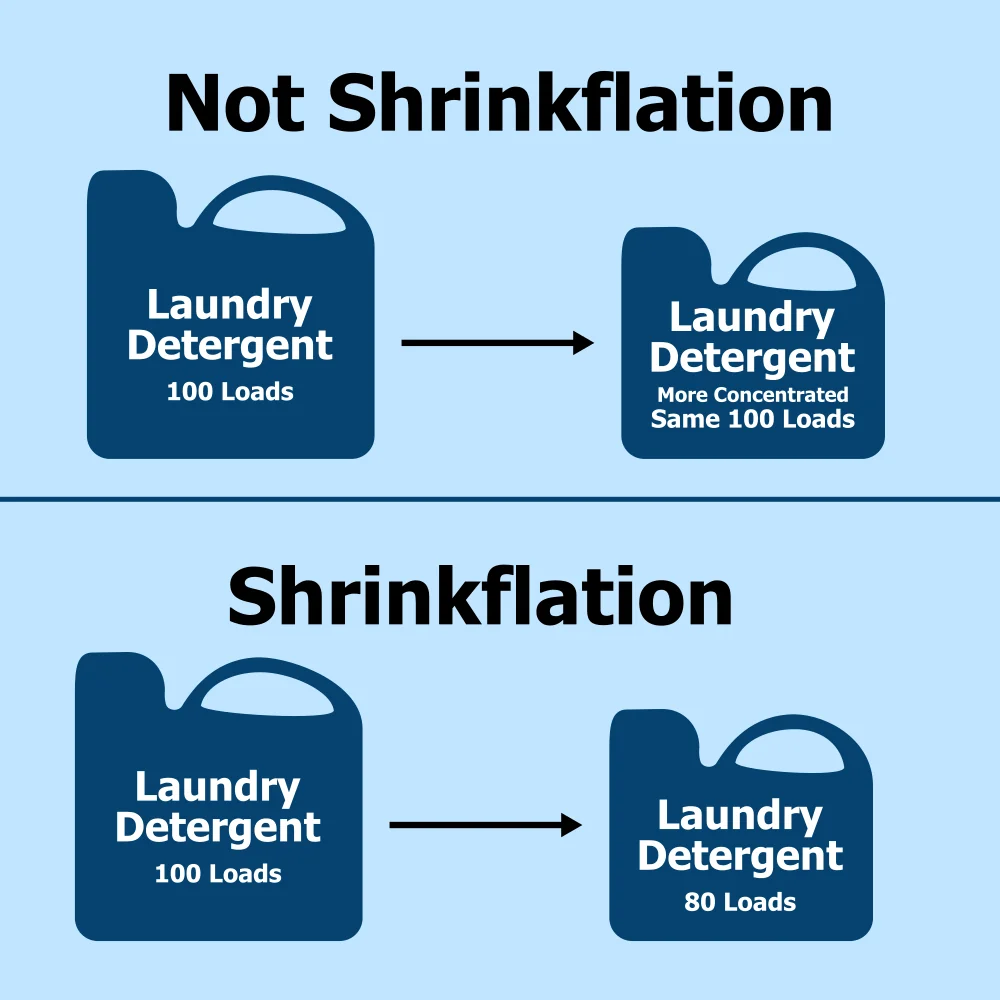
Shrinkflation occurs when a product becomes smaller or contains less while its price stays the same or changes less noticeably than the quantity. For example, a snack package might contain 180 grams in the past but later contain 160 grams at roughly the same shelf price.
The important change is not always visible from the front of the package. Consumers may remember the brand, package shape, and approximate price without remembering the exact quantity.
Why Packaging Matters
Packaging creates a strong visual reference for shoppers. When the outside appearance remains familiar, consumers may assume that the product itself has remained unchanged.
A company can sometimes reduce the quantity while maintaining a similar package shape, branding, colors, and product presentation. This familiarity can reduce the likelihood that a shopper immediately notices the difference.
Package design therefore becomes part of the psychological experience of pricing.
Consumer Attention and Familiar Products
Most grocery purchases happen relatively quickly. Shoppers usually do not compare every specification on every product. Instead, they use shortcuts such as brand familiarity, previous prices, package appearance, and perceived value.
This creates an opportunity for quantity changes to receive less attention than direct price increases.
A price increase is immediately visible on a shelf label or checkout screen. A reduction in quantity may require the shopper to check the weight, volume, or number of pieces.
The Psychology of Perceived Value
Consumers do not always judge value by calculating the exact price per gram or milliliter. They may instead use the overall appearance of the product.
A familiar package can continue to feel like the same product even when the amount inside has changed.
This illustrates an important principle of consumer psychology: perceived value and actual value are not always identical.
A product that looks familiar may receive a similar mental value assessment even after its quantity has been reduced.
Why Smaller Packages Can Go Unnoticed
Several factors can make shrinkflation harder to detect.
Familiar Packaging
When the package design remains largely unchanged, consumers may not have a strong visual signal that something has changed.
Limited Attention
Shoppers have many products competing for their attention. Checking every package’s exact weight is often unrealistic.
Price Memory
People may remember that a product costs “around” a certain amount without remembering its exact quantity.
Small Reductions
A modest reduction may not feel significant when viewed individually. However, repeated reductions over time can meaningfully increase the effective price per unit.
Unit Pricing Makes the Difference Easier to See
Unit pricing provides another way to evaluate shrinkflation. Instead of looking only at the package price, consumers can compare the cost per kilogram, liter, ounce, or another standardized measurement.
For example:
| Product | Package Size | Price | Price per kg |
|---|---|---|---|
| Original | 1 kg | $5.00 | $5.00 |
| Reduced | 900 g | $5.00 | $5.56 |
The shelf price has not increased, but the effective cost per kilogram has risen.
This is why checking unit prices can reveal changes that the main package price does not immediately communicate.
Shrinkflation and Consumer Trust
Shrinkflation can also affect how consumers perceive a brand.
If shoppers discover that a familiar product has become smaller without an obvious explanation, they may feel that the change was difficult to detect. This can influence perceptions of transparency and fairness.
The reaction can depend on how clearly the company communicates the change. A transparent explanation may be interpreted differently from a quantity reduction that consumers discover themselves.
Packaging as a Pricing Signal
Packaging does more than protect a product. It communicates information about quality, quantity, convenience, and value.
The size, shape, material, and visual presentation can influence expectations before a consumer even examines the detailed product information.
Because of this, packaging can become an important part of pricing psychology. A familiar package can preserve a product’s visual identity even when its contents change.
How Consumers Can Detect Shrinkflation
Consumers can reduce the effect of shrinkflation by paying attention to measurements rather than package appearance alone.
Useful habits include:
- Check the net weight or volume.
- Compare unit prices between brands.
- Look at older packaging when possible.
- Compare similar products by grams, liters, or pieces.
- Avoid assuming that a larger-looking package contains more.
- Track frequently purchased products over time.
These simple comparisons can make changes in effective pricing easier to identify.
Why Shrinkflation Is Different From a Normal Price Increase
A conventional price increase changes the number printed on the price tag. Shrinkflation changes the quantity associated with that price.
For consumers, the economic effect can be similar: the amount paid per unit of product increases. However, the psychological experience can be different because the listed price may appear stable.
This distinction helps explain why packaging and consumer attention are important when studying shrinkflation.
The Role of Transparency
Clear labeling can make quantity changes easier for consumers to understand. When shoppers can easily identify the product’s weight, volume, or unit price, they have more information for evaluating value.
Transparency also reduces reliance on packaging appearance alone.
For brands, communication around product changes can therefore influence how consumers interpret shrinkflation. For shoppers, comparing standardized quantities provides a more reliable measure of value than judging package size visually.
Final Thoughts
Shrinkflation packaging psychology shows how product quantity, package design, attention, and price perception can interact. A product does not necessarily need a higher sticker price to become more expensive on a per-unit basis.
Familiar packaging can make quantity changes less immediately noticeable, while unit pricing and careful comparison can reveal the real change in value. Understanding these psychological effects helps consumers make purchasing decisions based on actual quantity and cost rather than packaging impressions alone.