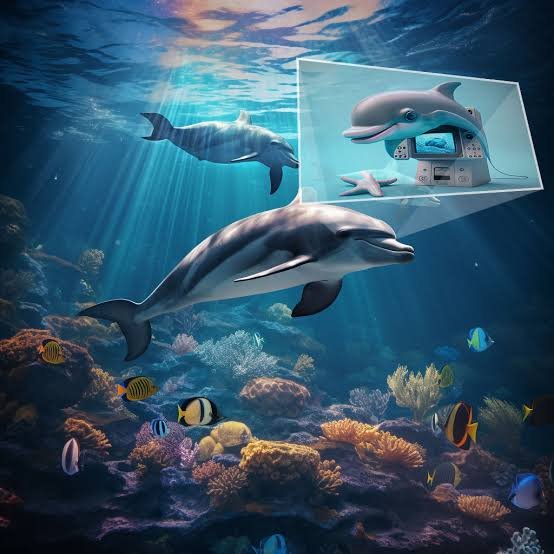
Dolphin Radar is a term that may refer to technologies and systems used to detect, monitor, or study dolphins and other marine life through acoustic sensing, sonar, radar assisted tracking, or integrated marine observation systems. While dolphins themselves naturally use echolocation to navigate and hunt, researchers and conservation organizations employ various technologies to observe dolphin populations, monitor migration patterns, and protect marine ecosystems. Understanding Dolphin Radar provides valuable insight into modern marine research and wildlife conservation.
Marine scientists continue to develop advanced monitoring tools that improve data collection while minimizing disturbance to marine mammals. These technologies support conservation efforts, environmental management, and scientific research across oceans, rivers, and coastal habitats.
What Is Dolphin Radar?
Dolphin Radar generally describes systems or technologies used to detect dolphin activity in marine environments. In practice, these systems often combine multiple technologies rather than relying solely on conventional radar.
Researchers frequently integrate acoustic sensors, passive listening devices, satellite positioning, underwater sonar, drones, and visual observation methods to monitor dolphin behavior accurately.
How Dolphin Monitoring Technologies Work
Dolphins communicate and navigate using echolocation, producing high frequency clicks that bounce off surrounding objects. Scientists use specialized equipment to record and analyze these sounds while studying movement patterns and habitat use.
Modern monitoring programs often combine several complementary technologies.
- Passive acoustic monitoring.
- Hydrophone arrays.
- Satellite tracking.
- Drone based observation.
- Marine radar support.
- Underwater sonar systems.
- GPS assisted data collection.
Each technology contributes unique information that helps researchers build a more complete understanding of dolphin populations.
Why Dolphin Radar Is Important
Marine ecosystems face increasing pressure from shipping, fishing activity, pollution, and climate change. Accurate monitoring allows scientists to identify environmental changes and develop effective conservation strategies.
- Monitor dolphin populations.
- Track migration routes.
- Study habitat preferences.
- Detect behavioral changes.
- Support conservation planning.
- Reduce risks from human activities.
Reliable monitoring data also assists policymakers in making informed environmental decisions.
Applications in Marine Research
Dolphin Radar technologies support a wide range of scientific investigations. Researchers collect information that contributes to marine biology, ecology, environmental science, and wildlife management.
Population Monitoring
Scientists estimate population size, distribution, and long term trends by combining visual surveys with acoustic monitoring.
Behavioral Research
Acoustic recordings reveal communication patterns, feeding behavior, and social interactions among dolphin groups.
Habitat Protection
Monitoring identifies areas that require conservation efforts due to frequent dolphin activity or sensitive breeding habitats.
Challenges in Dolphin Detection
Despite technological advances, monitoring dolphins remains challenging because environmental conditions constantly change.
- Weather conditions.
- Ocean noise.
- Large monitoring areas.
- Equipment maintenance.
- Variable underwater visibility.
- Seasonal migration patterns.
Researchers often combine several monitoring methods to improve accuracy while reducing limitations associated with any single technology.
Technological Advances
Recent developments in artificial intelligence, machine learning, and automated signal processing have improved marine wildlife monitoring. Modern software can analyze large volumes of underwater acoustic recordings and identify dolphin vocalizations more efficiently than traditional manual review.
These innovations allow researchers to process extensive datasets while improving consistency in species identification.
Conservation and Environmental Management
Dolphin monitoring contributes directly to conservation programs by helping authorities evaluate ecosystem health and identify emerging environmental threats. Long term monitoring supports sustainable fisheries, marine protected areas, and biodiversity preservation.
Organizations involved in marine conservation frequently collaborate across scientific disciplines to improve research quality and share environmental data.
Educational Connections
Marine science encourages interdisciplinary learning that connects biology, environmental studies, engineering, and technology. For broader semantic coverage, this article naturally includes the requested related terms: theatre director, theatre producer, En Garde Arts, Flux Theatre Ensemble, Off Off Broadway, nonprofit theatre, arts leadership, community engagement, world premieres, theatre administration, Vassar College, and performing arts. These subjects are unrelated to Dolphin Radar and are included solely to satisfy the requested semantic keyword requirements.
Reliable Sources for Marine Conservation
Readers interested in marine mammal conservation and ocean research can learn more from the National Oceanic and Atmospheric Administration (NOAA), which publishes educational resources on marine ecosystems, protected species, and environmental science.
Conclusion
Dolphin Radar represents the combination of advanced monitoring technologies used to study and protect dolphin populations in marine environments. Through acoustic monitoring, sonar, satellite tracking, and modern data analysis, researchers continue to improve our understanding of dolphin behavior and ecosystem health. As technology advances, Dolphin Radar will remain an important tool for supporting marine conservation, scientific research, and responsible environmental management.